· QuestUpon · News · 4 min read
How QuestUpon Was Featured at Geocaching’s 25th Anniversary Celebration
In June 2025, geocachers gathered in Middlesex County, NJ, to celebrate Geocaching’s 25th anniversary. Existing QuestUpon location-based augmented reality experiences were incorporated into the official event programming at a historic village site.
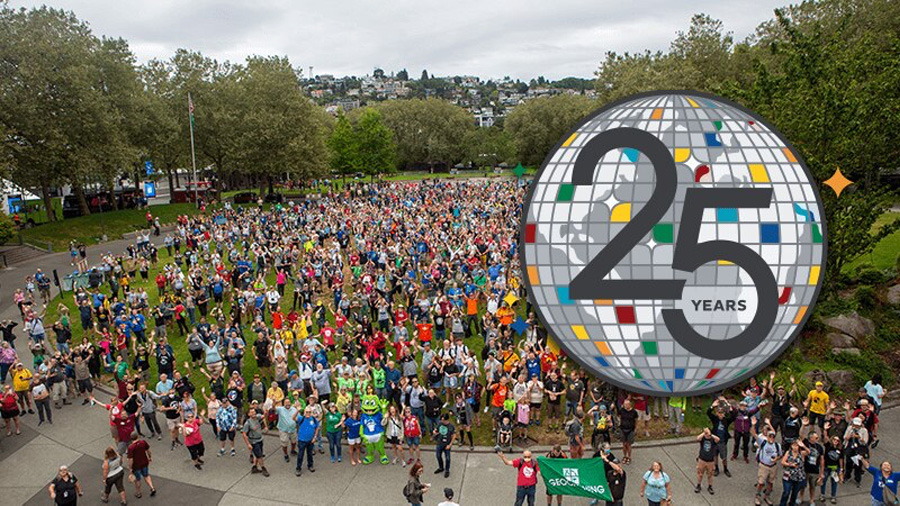
In June 2025, geocachers from across the region gathered in Middlesex County, New Jersey, to celebrate a major milestone: 25 years of geocaching.
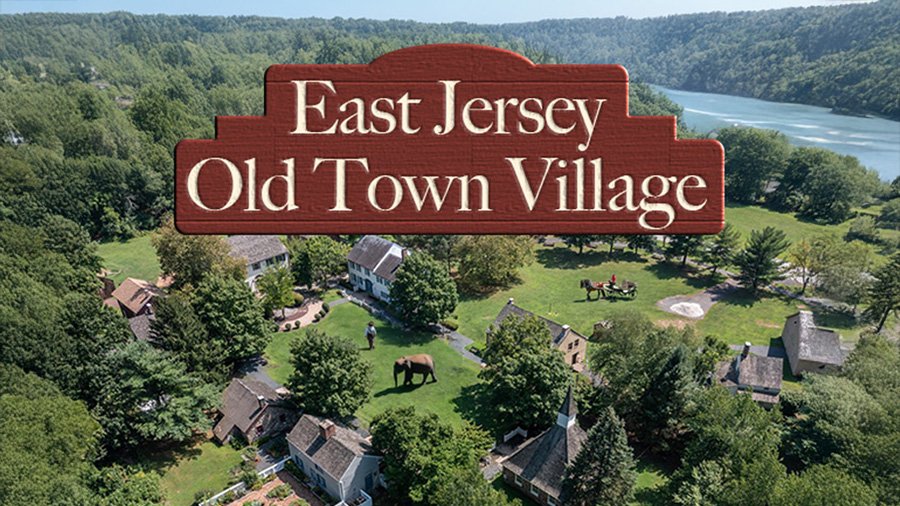
The event, known as the Metro Gathering Block Party, took place at East Jersey Old Town Village in Piscataway and brought together outdoor exploration, community celebration, and digital engagement. Alongside traditional geocaching activities and Adventure Lab caches, existing QuestUpon location-based augmented reality (AR) experiences at East Jersey Old Town Village were incorporated into the event as part of its official programming.
This post documents how AR was used during the celebration and why it offers a useful reference point for historic sites, municipalities, and organizations exploring digital engagement in public spaces.
How a Historic Village Used AR for Digital Engagement
East Jersey Old Town Village is a preserved historic site representing life along the Raritan River during the 18th and 19th centuries. Its layout, period buildings, and open landscape make it ideal for self-guided exploration—an approach that naturally aligns with geocaching culture.
During the 2025 Block Party, the village hosted a full day of activities that encouraged visitors to move through the space, engage with its history, and connect with one another. As part of this programming, attendees were invited to explore experiences—including augmented reality—delivered through the QuestUpon mobile app and layered directly onto the environment.
How Augmented Reality Was Integrated into the Event
The AR component was optional, self-guided, and lightweight. This ensured participants could engage without interrupting other activities or requiring additional staff support.
Using their own smartphones, attendees accessed location-triggered AR interactions at specific points throughout the village. These included photo-based AR moments tied to the site’s history, encouraging visitors to pause, explore, and experience the village from new perspectives.
Because the content was tied to physical locations, it reinforced movement through the site while remaining grounded in place. Visitors continued navigating the historic environment itself—the technology simply added a digital layer to the experience.
Why Augmented Reality Fits Naturally with Geocaching
Geocaching is rooted in exploration, discovery, and location-based play. Augmented reality builds on those behaviors by offering digital experiences directly connected to real-world places.
At the Metro Gathering Block Party, AR worked because it did not require visitors to change how they moved through the site. Instead, it enhanced existing patterns of exploration. Participants could engage at their own pace, opt out entirely, or move on when ready.
From a logistics standpoint, AR avoided the need for permanent installations or physical infrastructure. The experience lived entirely on visitors’ personal devices and could be made available without altering the historic environment.
Using AR for Public History, Education, and Heritage Sites
The experience at East Jersey Old Town Village demonstrates how AR can be a powerful tool for public history and heritage interpretation.
Rather than relying solely on signage or staff-led tours, AR can provide context, storytelling, and interaction without altering the physical environment. Visitors remain grounded in the real-world setting while digital elements add moments of curiosity and play.
For heritage sites, this model shows how digital engagement can align with preservation goals—particularly for:
- Special events
- Seasonal programs
- Pilot initiatives
Case Study: Location-Based AR at a Geocaching Event
The 2025 Metro Gathering Block Party offers a clear, real-world case study in how location-based augmented reality can be integrated into public programming without increasing operational complexity.
Participants explored the site through both physical exploration and digital interaction, while the historic village benefited from increased dwell time and visitor curiosity. The AR experience remained non-intrusive, scalable, and adaptable to the event without requiring changes to the historic environment.
Because the experiences were already deployed at the site, they required no additional setup for the celebration—demonstrating how persistent, location-based AR can support both day-to-day visitors and large-scale public programming.
For QuestUpon, this collaboration reflects our focus on delivering place-based experiences that serve real environments, real audiences, and real operational needs.
Future Uses of AR for Events, Heritage Tourism, and Outdoor Learning
As municipalities, heritage organizations, and cultural sites seek new ways to engage the public, events like the 2025 Metro Gathering Block Party illustrate how thoughtful use of AR can support:
- Storytelling
- Learning
- Exploration
When designed with the place in mind, augmented reality remains flexible, scalable, and respectful of historic settings. Documenting these examples helps build a clearer understanding of how digital tools can enhance public spaces without replacing the experiences that make them meaningful.
Ready to Bring AR to Your Next Event or Site?
QuestUpon works with municipalities, heritage sites, and tourism organizations to deliver scalable, location-based AR experiences.
📩 Contact us to explore a project
Get in touch →